When it comes to Electric Vehicle Charging Cables, knowing your options helps you make the best choice for your ride. Let's break down the top types of charging cables you'll come across.
Type 1 Cables are popular in North America and Japan. These guys have a simple design with five pins and are great for home charging. If you own a vehicle that uses this type, you'll find it easy to plug in and get your EV charged overnight.
Type 2 Cables are more common in Europe. They’ve got a sleek look with seven pins and can handle faster charging. Many public charging stations use Type 2, making them a solid choice if you plan to top off your battery on the go.
CCS (Combined Charging System) cables combine AC and DC charging capabilities. This means you can charge your EV quickly at public stations. If you’re looking for speed in charging, CCS will have you back on the road in no time.
And let’s not forget about CHAdeMO cables. These are best known for fast charging, especially with brands like Nissan. If you need a quick power boost, CHAdeMO should be on your radar.
Choosing the Right Length for Your Needs
When it comes to Electric Vehicle Charging Cables, picking the right length can make all the difference. You want to avoid those awkward moments where your cable just doesn’t quite reach the charging station. Let’s break down how to choose the perfect length for your needs.
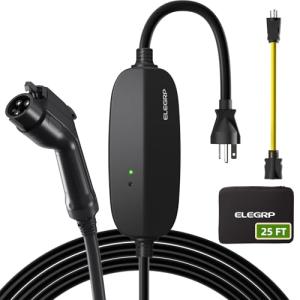
First off, consider where you park your car. If you usually charge in your garage or have a dedicated charging spot, you'll want a cable that’s long enough to give you flexibility without a lot of excess dangling around. A 25-foot cable is often a sweet spot for home use, giving you enough reach without being too cumbersome.
If you're charging in public places, think about how often you'll need to lug your cable around. Shorter cables, like 10 or 15 feet, might save you some weight but could limit where you can charge. Make sure to think ahead about where those charging stations are and how far apart they are.
Also, think about how your charging habits might change. If you plan to take road trips or park in different spots, a longer cable might be worth the investment. Many people like having a 30-foot option for road trips; it gives you that extra peace of mind. After all, you never know when you'll need a little extra reach.
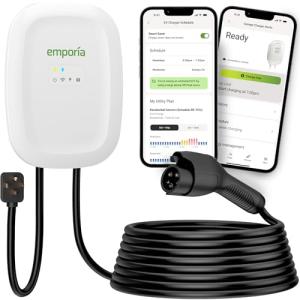
48 Amp Level 2 EV Charger with J1772 Plug
Charge your electric vehicle quickly and efficiently with this powerful and easy-to-use charger
Product information
$429.00
Product Review Score
4.55 out of 5 stars
141 reviewsProduct links
Understanding Charging Speeds and Compatibility
When it comes to Electric Vehicle Charging Cables, charging speed is a big deal. Not all chargers are the same, and understanding the difference can save you time and keep you on the road longer. The charging speed mainly depends on the type of charger and your vehicle's compatibility.
There are three main types of charging speeds: Level 1, Level 2, and DC fast charging. Level 1 uses a regular household outlet. It's handy if you just need a little top-up overnight, but it’s the slowest option. Level 2 is much faster and usually found at public chargers or home installations. This is where you'll get your EV charged up in a reasonable timeframe. DC fast charging is a game-changer, allowing you to charge your battery in as little as 30 minutes at certain stations. It's perfect for road trips when every minute counts.
Now, let’s talk compatibility. Not all Electric Vehicle Charging Cables fit every car. Different manufacturers have different connectors. Most electric vehicles use the Type 1 or Type 2 connections, but check what your car uses. You don’t want to invest in a cable only to find it doesn’t fit your ride.
A good rule of thumb is to match the charger’s output with your vehicle’s capabilities. Using a charger that’s too powerful or too weak could lead to longer charging times or even damage to your battery. So, it pays to double-check that the Electric Vehicle Charging Cables you’re considering match your needs.

BiaHawn Level 1&2 EV Charger for Tesla & J1772
Charge your Tesla or J1772 vehicle quickly and easily at home with this versatile EV charger
Product information
Product Review Score
4.65 out of 5 stars
212 reviewsProduct links
Tips for Maintaining Your Charging Cables
Taking care of your electric vehicle charging cables is key to keeping them in tip-top shape. Here are some easy tips to help you maintain those cables and get the most out of them.
First off, always store your Electric Vehicle Charging Cables properly. After charging, don’t just toss them in the trunk or a random drawer. Instead, wrap them neatly and keep them in a dedicated bag or holder. This prevents kinks and reduces wear over time. A little organization can go a long way!
Next, keep them clean. Dirt and debris can mess with the connectors and reduce charging efficiency. Use a soft cloth to wipe down the ends after each use and make sure there’s no buildup. If you notice any grime, a gentle cleaner can help, but avoid harsh chemicals that might harm the cable.
Also, be mindful of extreme temperatures. Electric Vehicle Charging Cables can get damaged if left out in the hot sun or freezing cold. Whenever possible, try to keep them in a temperature-controlled environment. Doing this can extend their lifespan significantly.
Lastly, check for signs of wear and tear regularly. Look out for frayed ends, cracks, or any exposed wiring. If you see anything unusual, it’s better to replace the cable rather than risk damaging your vehicle. Safety first!